Heavy Duty Paving in LA, CA
In Los Angeles, industrial pavement has to withstand demanding traffic patterns, from container handlers and loaded trailers to delivery fleets moving through busy logistics facilities. JAR Construction Services builds asphalt surfaces around those working conditions, with structural sections planned for real vehicle loads and repeated use.
Whether you're upgrading a distribution yard, improving access around a warehouse, or developing pavement for a heavy-industrial property, our team focuses on the foundation, asphalt design, and construction sequence needed to support your operation.

Industrial & Heavy Duty Paving in LA
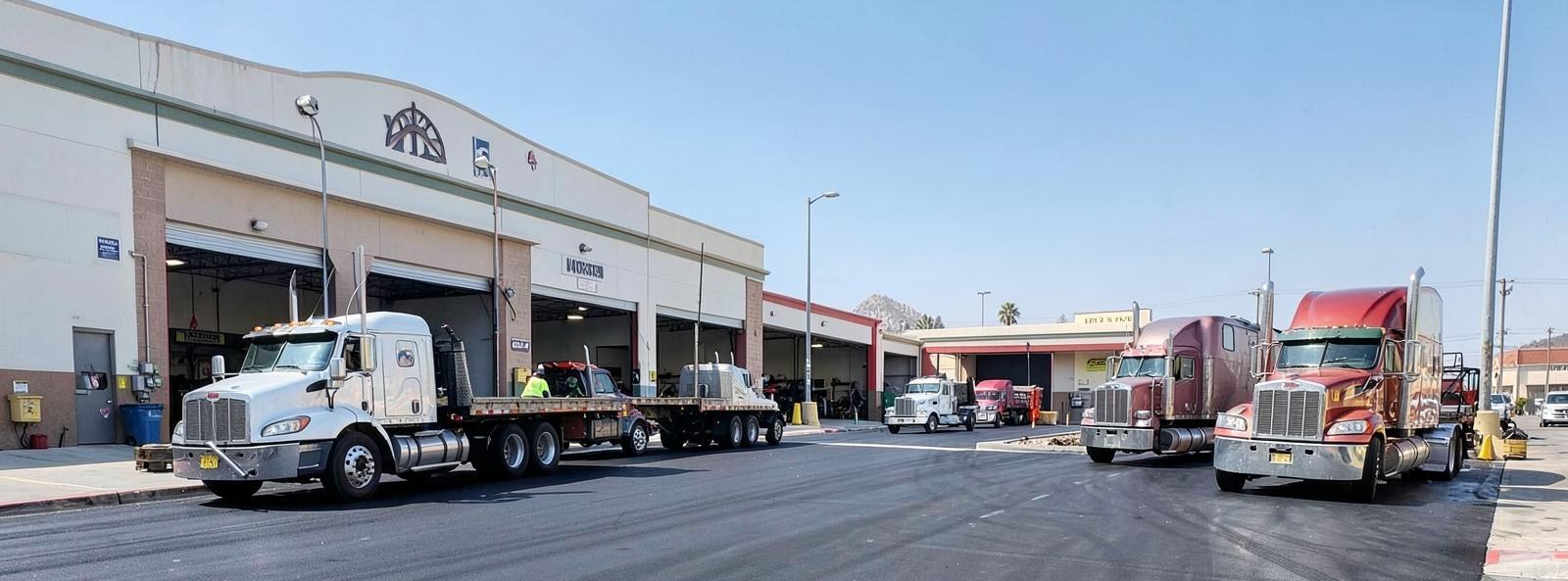
Los Angeles has a substantial network of logistics facilities, industrial properties, and port-related operations. Container and drayage traffic can place concentrated pressure on pavement, particularly around loading areas, truck routes, turning zones, and trailer staging spaces.
JAR Construction Services approaches these projects with load requirements at the center of the planning process. We assess site conditions and traffic demands before determining the pavement structure. Our heavy duty paving in LA is designed to support demanding industrial use, with a written one-year workmanship warranty and quality-control documentation included with each project.
Our Industrial Paving Services in LA

Heavy Duty Paving in LA
Industrial yards need pavement built for more than occasional truck access. We install thick-section asphalt for areas used by loaded trucks, trailers, and heavy equipment. The pavement design accounts for the loads and movement patterns expected across the property, including areas exposed to frequent turning and stopping.

Industrial Asphalt Paving in LA
From warehouse access lanes to busy distribution yards, asphalt must withstand repeated commercial traffic. Our industrial asphalt paving in LA uses engineered mix designs intended to resist rutting and fatigue. We consider how the site operates so the pavement solution is suited to its daily demands.

LA Industrial Pavement Construction
A reliable industrial surface begins with proper ground preparation. We handle full-site construction involving subgrade preparation, thick aggregate base installation, and hot-mix asphalt placement to project specifications. This approach helps establish the structural support needed for properties that regularly accommodate heavy vehicles.
Industrial Paving Services in LA
Industrial pavement needs vary across a facility. Some properties require new construction, while others need overlays, localized patching, or reinforced sections in high-load areas. Our industrial paving services in LA address these different requirements, including improvements around dock aprons, trailer pads, and heavily used turning areas.
Why LA Chooses JAR Construction
Licensed, Bonded & Insured
JAR Construction Services is fully licensed, bonded, and insured. Facility owners and managers can work with a qualified contractor for industrial paving projects involving demanding site conditions.
More Than 40 Years of Combined Experience
Our team brings over 40 years of combined experience to paving work. That practical background helps us approach large-scale placements with attention to site preparation, asphalt installation, and the requirements of heavy-duty surfaces.
In-House Crews
Our own operators handle pavement placement, with no subcontractors on the mat. Keeping the paving work with our in-house crews supports better coordination during each stage of installation.
Heavy-Duty Equipment Fleet
Industrial placements call for equipment capable of handling substantial paving areas. Our fleet includes pavers, rollers, and hauling equipment suited to heavy-duty construction work.
Phased Around Facility Operations
Industrial properties often need to keep trucks, employees, and deliveries moving while improvements take place. We plan construction phases around live traffic and facility access to help limit disruption during the project.
Written One-Year Workmanship Warranty
Every industrial pavement project includes a written one-year workmanship warranty. Quality-control documentation also helps provide a clear record of the completed work.
Benefits of Professional Heavy Duty Paving in LA
Designed for concentrated loads: Pavement sections are planned around the axle loads and traffic conditions expected at your facility.
Resistance to repeated heavy traffic: Engineered asphalt mix designs help address rutting and fatigue from loaded trailers, forklifts, and container-handling equipment.
A stronger supporting base: Thick aggregate base and stabilized subgrade provide the foundation required for demanding industrial applications.
Drainage considerations: Positive drainage design helps protect the pavement structure from water-related deterioration.
Construction that accommodates active sites: Phased placement helps maintain access and coordinate work around ongoing facility operations.
Documented workmanship coverage: A written one-year workmanship warranty is provided for every heavy-duty paving project.
Our LA Heavy Duty Paving Process
Site Evaluation
We start by reviewing the industrial property and the conditions that will affect pavement performance. This includes expected vehicle loads, drainage, existing surface conditions, and the routes used by trucks and equipment.
Engineered Plan
After evaluating the site, we develop a project plan covering the structural pavement section, asphalt mix design, and construction phasing. The plan is based on the facility's operating requirements and the loads the finished surface will need to carry.
Subgrade & Base Preparation
Before asphalt placement, we complete the required grading and compaction. A thick aggregate base is then prepared to provide a stable foundation for the pavement layers above it.
Heavy-Duty Asphalt Placement
Our crew places hot-mix asphalt in engineered lifts according to the project specifications. This stage is particularly important for industrial routes and working areas that experience regular heavy vehicle movement.
High-Density Compaction
We use appropriate compaction equipment and procedures to achieve the required pavement density. Proper compaction helps the asphalt withstand repeated loading and reduces the risk of premature rutting and fatigue.
Reinforcement of High-Load Areas
Dock aprons, trailer pads, and turning areas can experience concentrated vehicle loads. We give these sections specific attention and incorporate the required reinforcement into the project plan.
Final Quality Check
We complete the applicable density checks, striping, and final site walkthrough before handing the property back. This final review helps confirm that the completed work is ready for its intended use.
Recent Industrial Projects Near LA


Facility Types We Pave in LA
Get a Free LA Industrial Paving Estimate
When industrial pavement begins showing signs of wear, the right solution starts with understanding the loads and conditions behind the problem. Contact JAR Construction Services for a free on-site inspection and a detailed written estimate. As an experienced industrial paving company in LA, we assess your site, discuss its operating demands, and outline an approach based on actual load requirements rather than guesswork.
LA Industrial Paving FAQs
When Should an Industrial Property Consider Upgrading Its Pavement Instead of Continuing With Surface Repairs?
Repeated cracking, rutting, surface deterioration, and recurring repair costs may indicate that the existing pavement structure is no longer suitable for daily operations. Evaluating heavy duty pavement in Los Angeles can help property owners determine whether reconstruction is a better long-term option.
Do Industrial Parking Areas Require Different Paving Considerations Than Standard Commercial Lots?
Yes. Industrial parking areas may accommodate delivery trucks, work vehicles, trailers, and heavy equipment. Heavy duty paving in Los Angeles should account for vehicle weight, traffic frequency, turning movements, and the condition of the underlying base.
What Role Does Soil Evaluation Play Before Paving a Large Industrial Property?
Soil conditions influence how well the pavement foundation supports repeated traffic. Weak or unstable ground may require additional preparation before asphalt installation. A proper site assessment helps determine the groundwork needed for durable industrial asphalt paving in Los Angeles.
How Can an Industrial Paving Contractor Coordinate Work Across Multiple Sections of a Large Property?
A project can be divided according to traffic flow, loading schedules, access requirements, and construction priorities. Choosing an experienced industrial paving company in Los Angeles helps businesses organize the work while limiting unnecessary disruption to daily facility operations.
What Maintenance Practices Help Preserve Asphalt Surfaces at Industrial Facilities?
Regular inspections, timely crack sealing, drainage maintenance, and attention to developing surface damage can help prevent minor deterioration from spreading. Professional industrial paving services in Los Angeles can also help property managers identify areas that need attention before larger repairs become necessary.